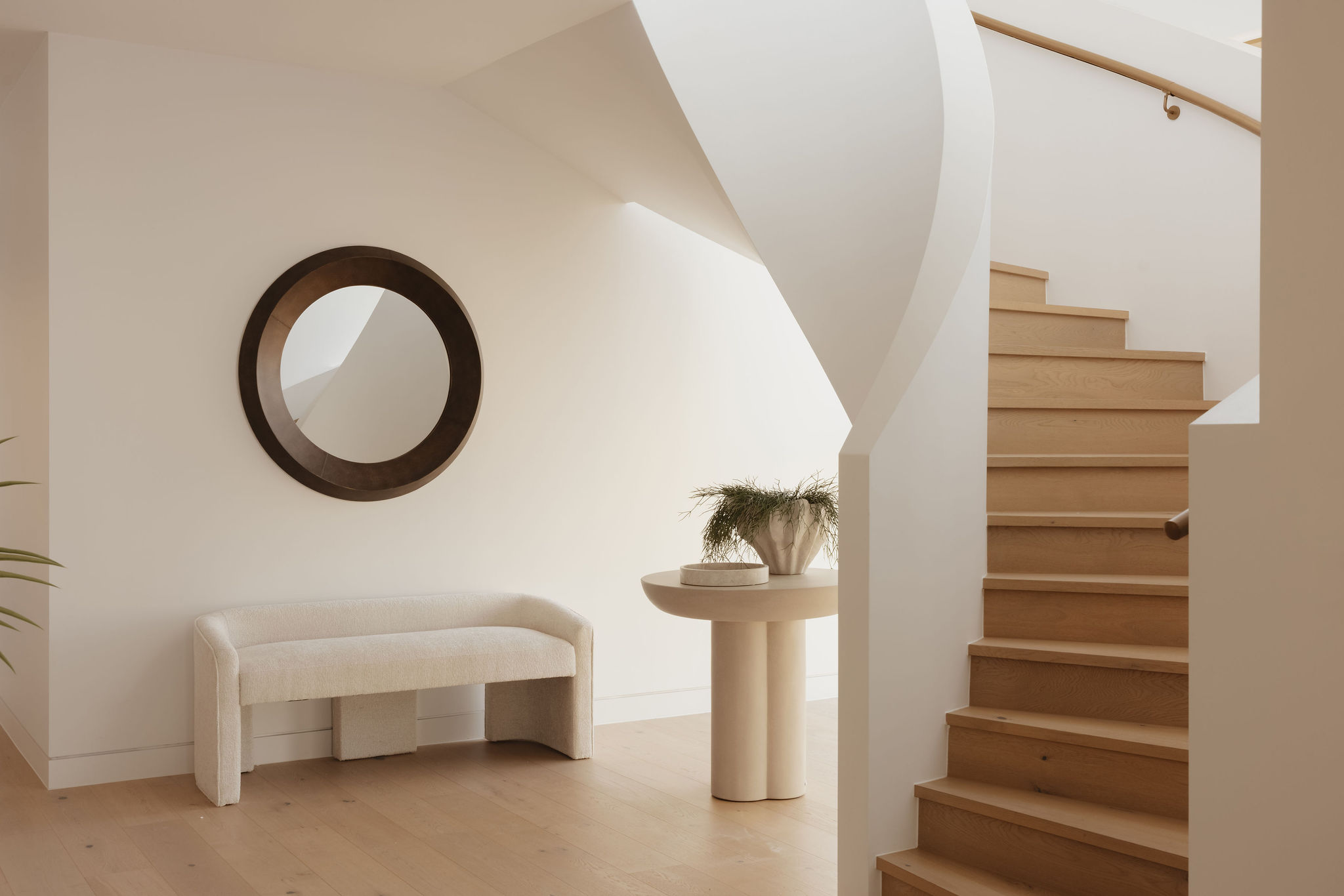
A beautifully styled display apartment may appear effortless.
But behind the finished space is a series of considered decisions about scale, circulation, sightlines, furniture placement, materiality and, most importantly, the buyer.
At Domus, we approach a display apartment differently from a private residence. While both should feel beautiful and resolved, a display has another important role to play.
It is part of the sales strategy.
Before selecting a sofa or specifying a dining table, we consider who the development is speaking to.
Are they downsizers moving from a large family home? Young professionals buying into an inner-city lifestyle? Interstate investors? Families? Luxury owner-occupiers?
The answer influences almost every design decision that follows.
A display should feel aspirational, but it also needs to feel believable. The prospective buyer should be able to walk through the door and recognise a version of their own life within the space.
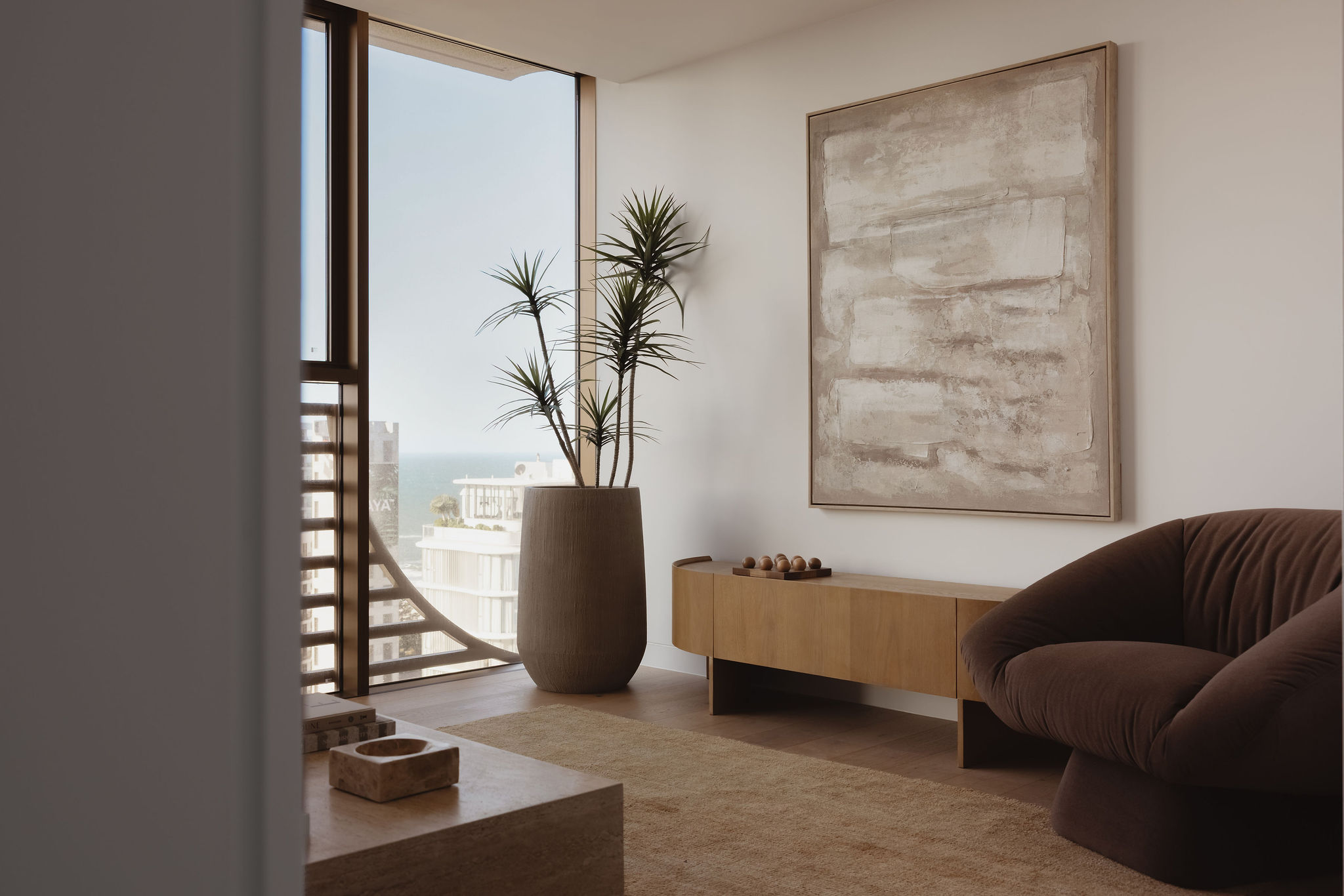
Furniture has an enormous influence on how buyers perceive the size of a room.
Oversized furniture can make a generous apartment suddenly feel constrained. Furniture that is too small can make the same space feel disconnected and unresolved.
We carefully consider dimensions, negative space and circulation to demonstrate what can comfortably be achieved within each room.
Sometimes what we choose not to include is just as important as what we do.
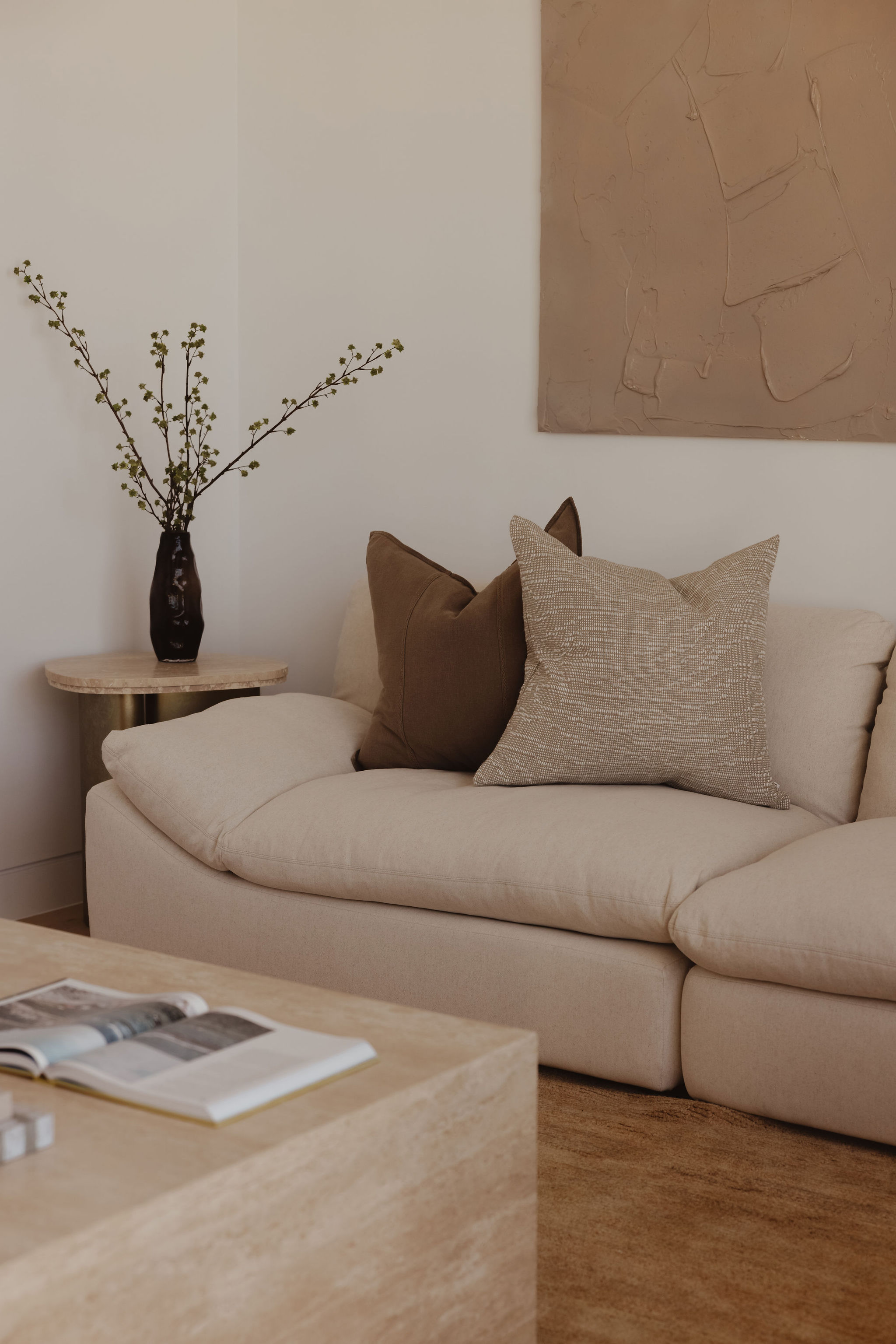
A display apartment isn't experienced as a series of individual rooms.
It's experienced as a journey.
What does the buyer see when they first enter?
Where does their eye travel from the living room?
Can they see through to the balcony and view?
Does the furniture encourage them to move naturally through the space?
These sightlines influence furniture placement and styling from the earliest stages of the design.
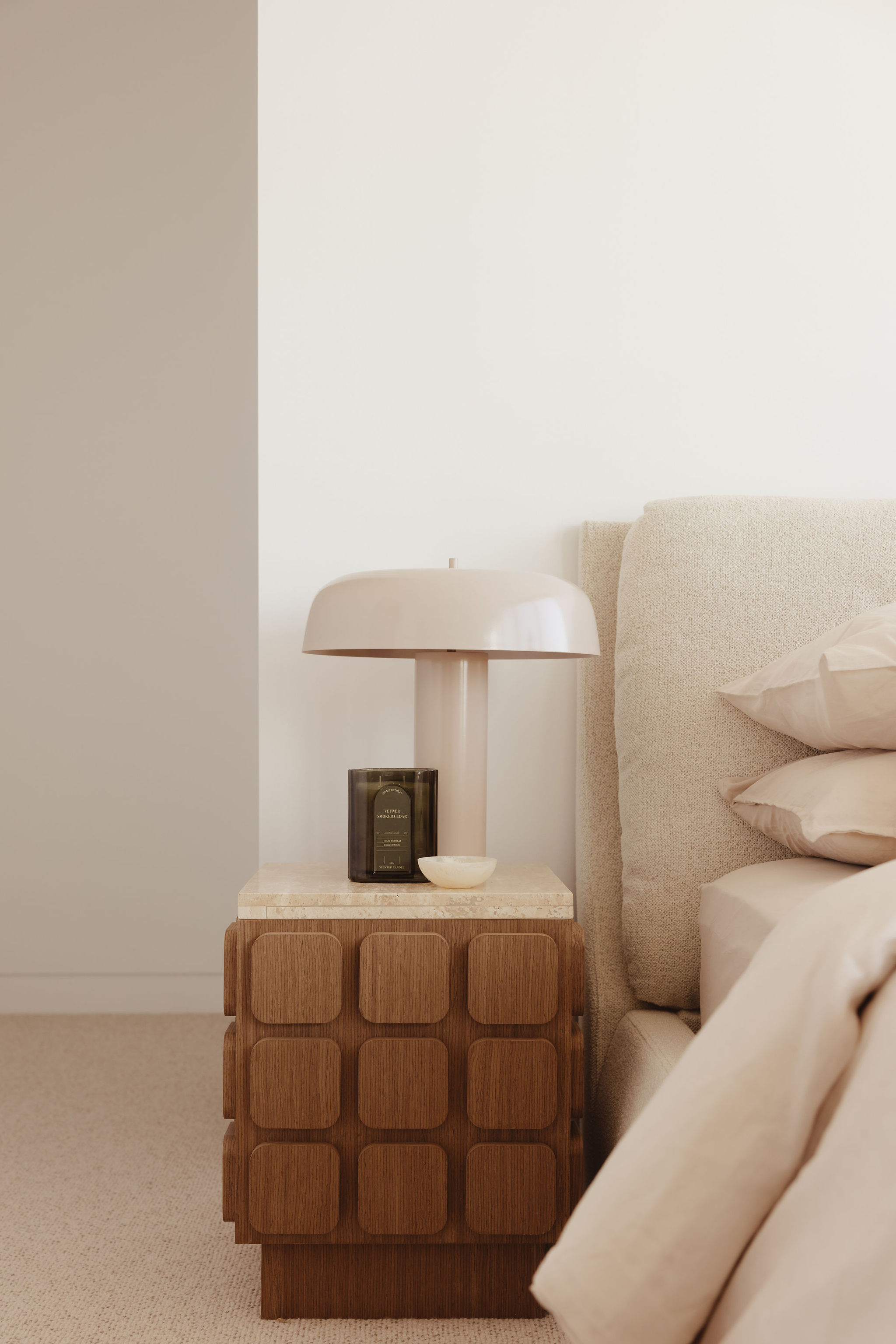
Today's display apartment has two audiences: the person standing inside it and the person viewing it through a screen.
Photography, video and social content often become some of the most valuable marketing assets produced from a display.
That means we consider how furniture will frame a shot, where styling moments can be created and how adjoining spaces appear from different angles.
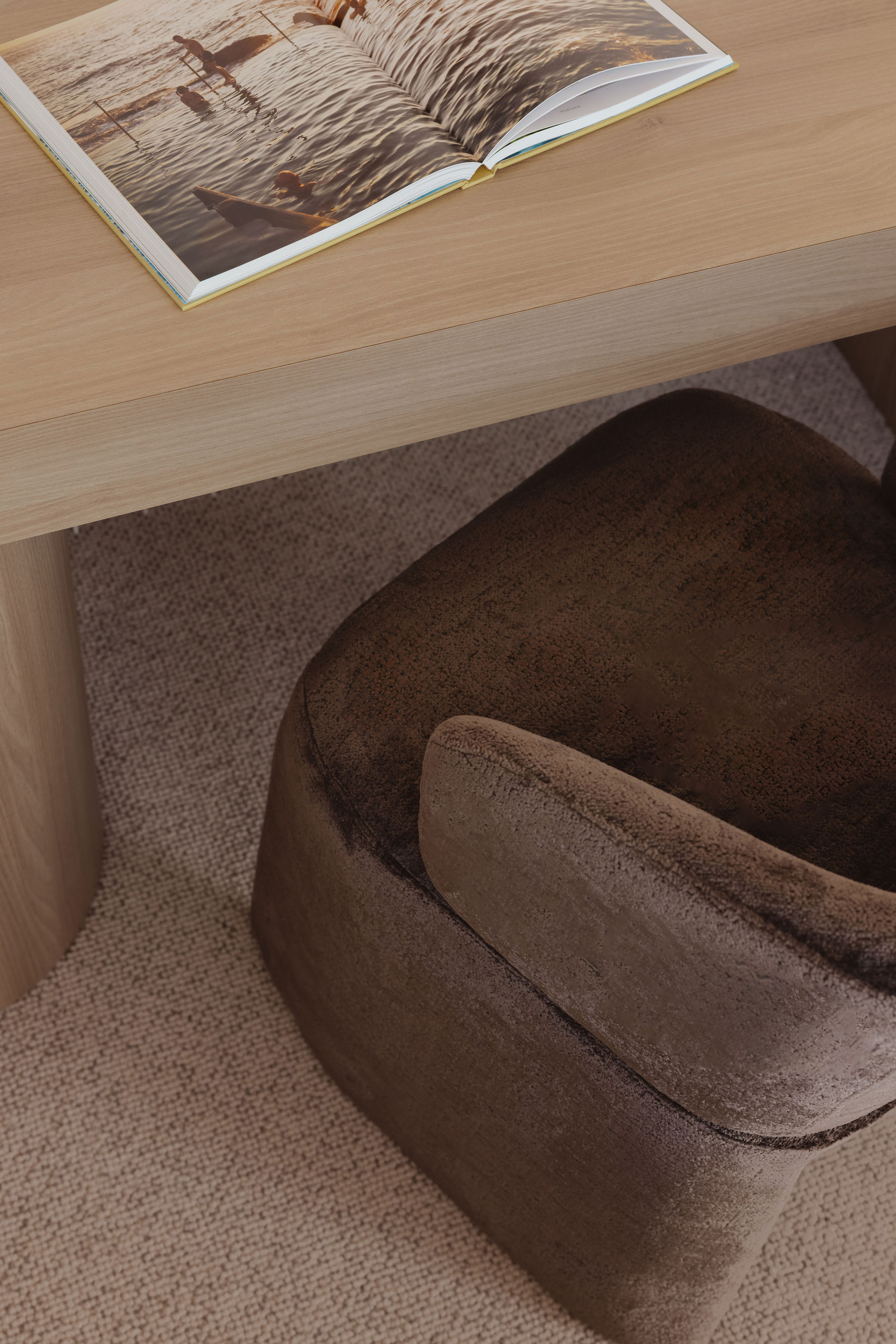
Once the furniture is installed, styling brings the story together.
Artwork, objects, greenery, books, cushions, lighting and accessories create warmth and personality.
The objective isn't to fill every surface.
It's to create enough detail for the apartment to feel lived in, while allowing buyers to imagine making the space their own.
The finished result should feel natural.
But very little about a successful display apartment happens by accident.
Domus works with developers and project marketers to deliver display apartments, sales suites and turnkey buyer furniture packages, managing the complete journey from concept through to installation and final styling.

